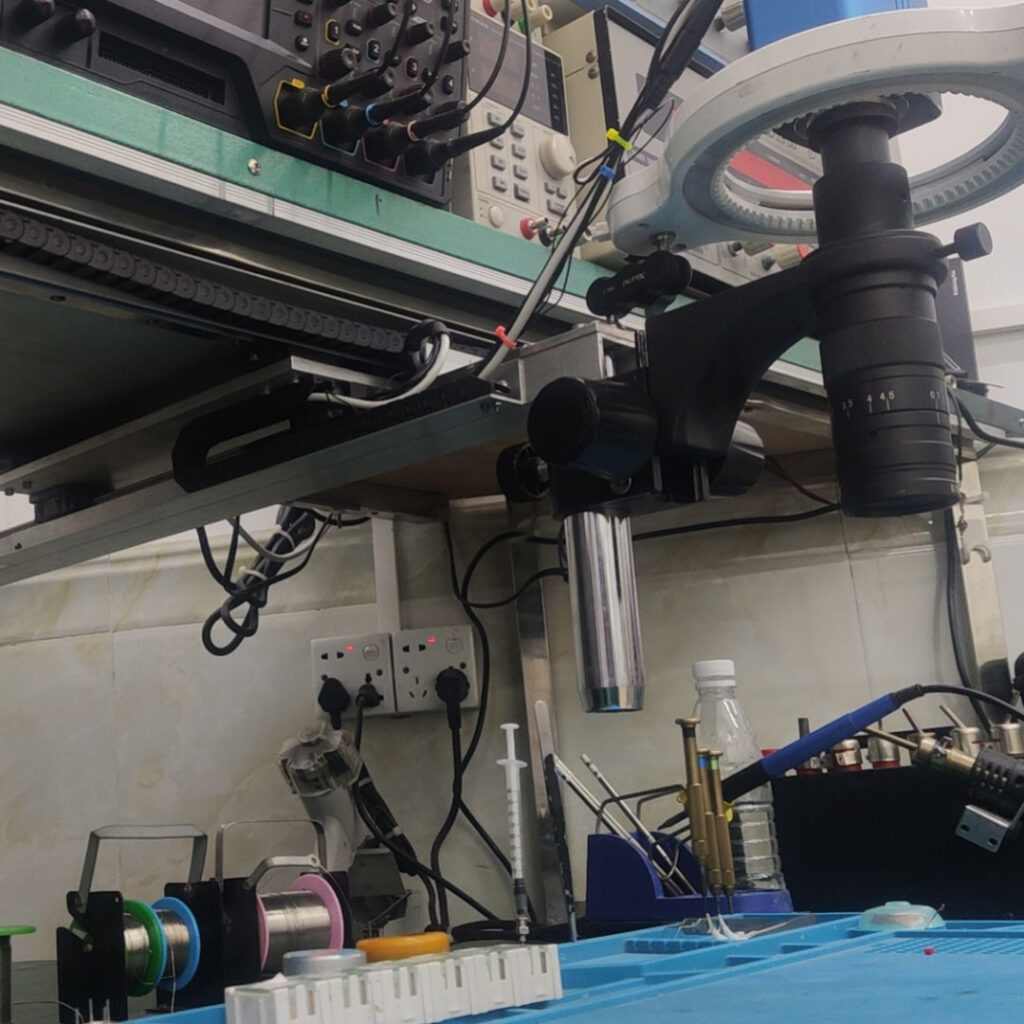
Microscope X/Y Slider
A sliding stand for a digital microscope: an X/Y table under the workbench with linear rails and cable chains, so the microscope glides into place with a push.
MechanicalMotion controlPCB
Hardware product development · Shenzhen
Lavigne Labs is a Shenzhen hardware product-development team, ready to help you. We move fast: prototype sprints, development to production, and production support, led by Brian Barrett, who puts his reputation on the results.
PCB & product design·rapid prototyping·production in Shenzhen
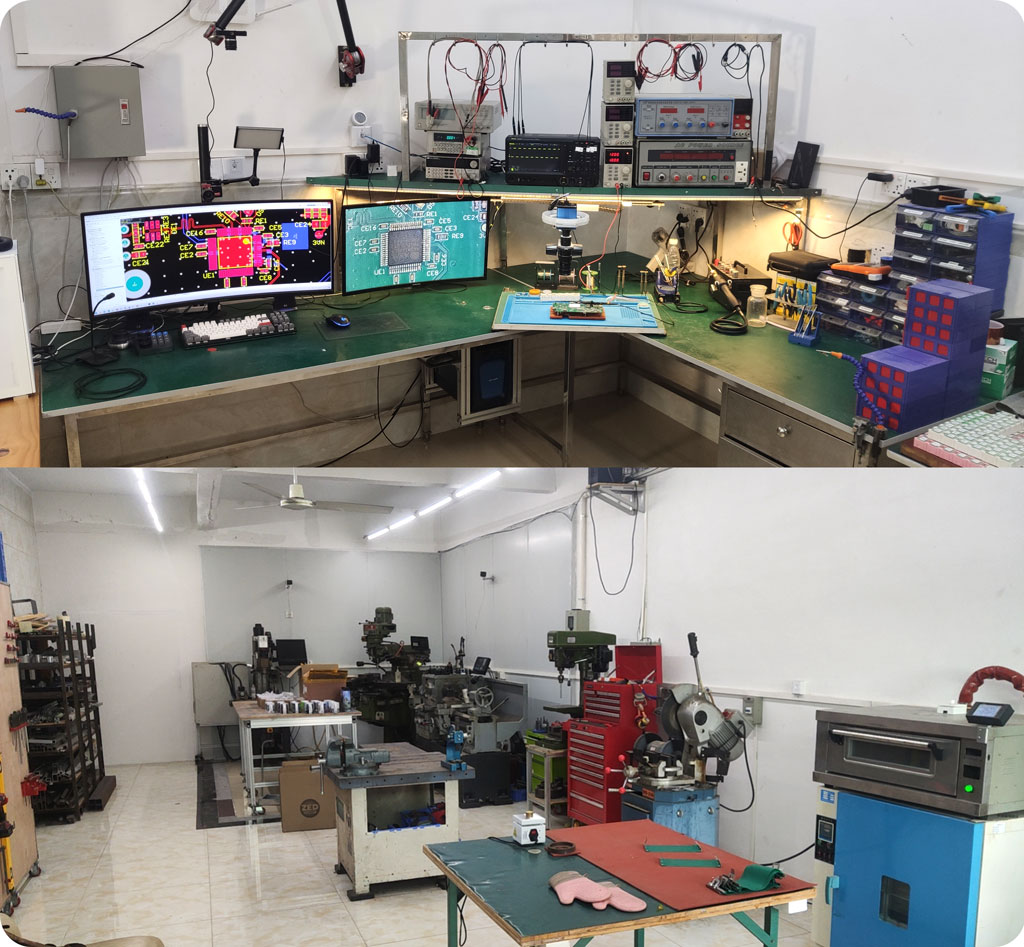
The hard part
The gap between a working prototype and thousands of reliable units in the field is where products stall. The four places teams get stuck — and how we take them off the table.
We redesign for manufacturability so it can actually be built at volume, not just work once on a bench.
We vet suppliers in person (capability, capacity, and track record) before a cent moves.
On-site inspections and pilot runs catch defects before they ship by the thousand.
Clear quoting, tooling oversight, and a build plan that holds, managed on the ground in your blind-spot timezone.
What we do
Engineering and manufacturing under one roof — so your design, prototype, and production all speak to each other.
Schematic to a manufacturable board: compact, sensor-driven, and built to survive the production line. DFM-ready and ready to make at volume.
Turn a concept into a working device, fast. Get real hardware in hand to test and iterate: wearables, enclosures, and small-batch builds.
Your hardware, built reliably at the source. We match your product to a vetted engineering team, run on-site quality control, and get hundreds or thousands of units into the field.
How it works
Every engagement de-risks the next step before you commit to it — no leaps of faith, no surprises.
We start with your design, prototype, or idea. We assess what's needed to manufacture it well and flag risks early.
We match your project to the right vetted Shenzhen engineering team for your product, schedule, and budget.
A pilot run plus hands-on quality control proves the process before you commit to full volume.
Production ramps with ongoing oversight on quality, cost, and timeline. Your hardware, in the field.
Working together
Three ways to work with our team, depending on where your product is. Lavigne Labs leads every one of them, and Brian Barrett is your first contact.
Real hardware in your hands, fast. Concept to working prototype, then quick rounds of testing and refinement. This is the hook: you learn more in a few weeks of building than in months of planning.
Take a proven prototype through design for manufacturing, tooling, pilot runs and scale-up, with a vetted Shenzhen engineering team matched to your product. Lowest unit cost at volume is a welcome goal here.
Already in production? We help with supplier follow-up, on-site quality control, changes and second-source decisions, so units keep shipping on spec.
We move fast. Speed costs money; we spend it where it saves weeks.
Prototyping is where we start, because real hardware in your hands beats any plan. Once you are in production, getting the lowest unit cost at volume is a goal we are glad to work toward with you. In development, we would rather spend wisely to save weeks than shave pennies and lose months.
Hardware doesn't get built over a video call. We are in the factories in person, reading schematics, walking the line, and catching problems before they ship by the thousand.
Selected work
Boards, mechanisms, and products I designed and built with my own hands — the same hands that would be on your factory floor. This is what I bring to your product.
A sliding stand for a digital microscope: an X/Y table under the workbench with linear rails and cable chains, so the microscope glides into place with a push.
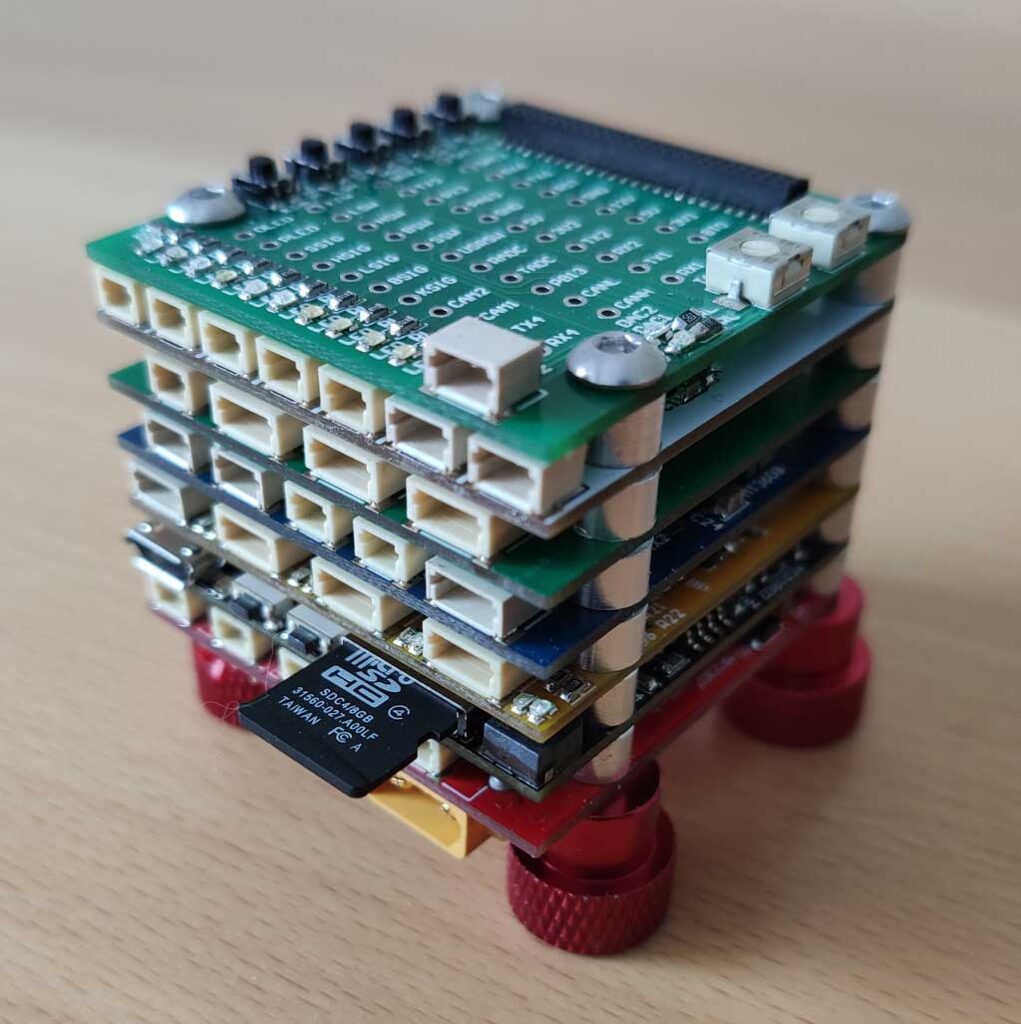
PyBikeBrain, a modular microPython board for E-bikes, inspired by the pyBoard, with stackable layers for serial, power and more.
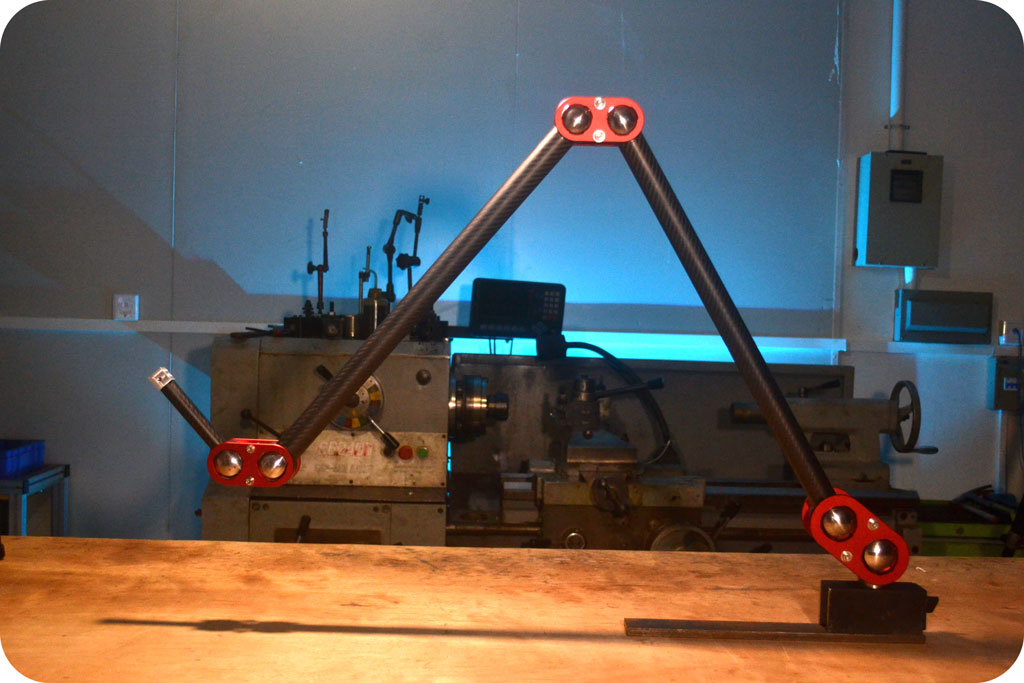
An articulated camera arm of carbon fiber tubes, polished steel spheres and red aluminum pressure plates, inspired by Robin Renzetti's design.
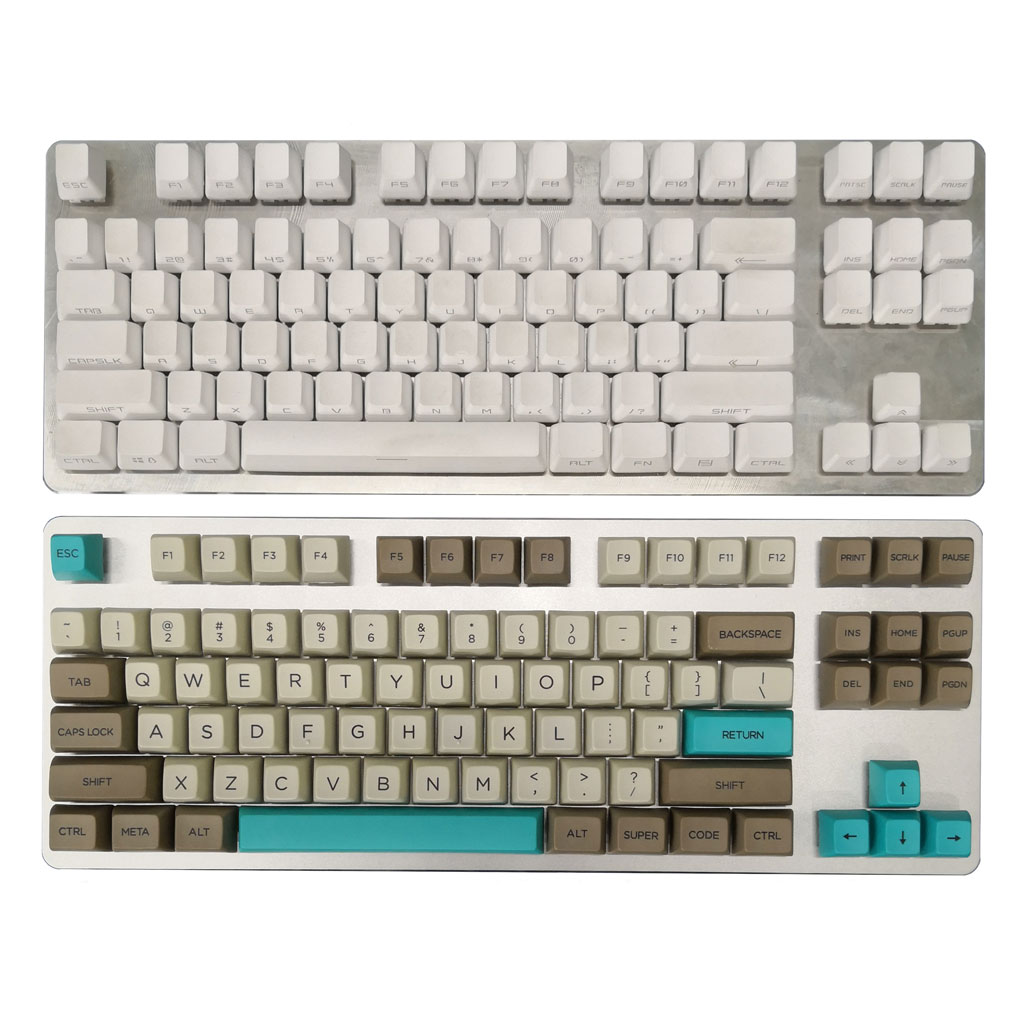
A reproduction of Input Club's open source K-type keyboard, built to study manufacturing and find ways to cut BOM cost.
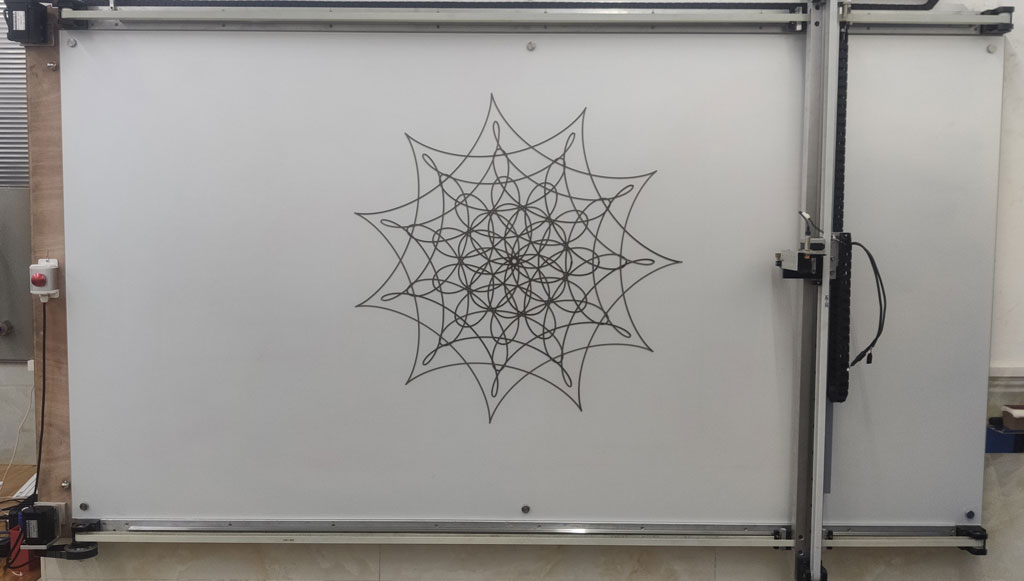
A whiteboard plotter inspired by draw bots, built on plywood with linear rails, a 3D printer control board and open-source software.
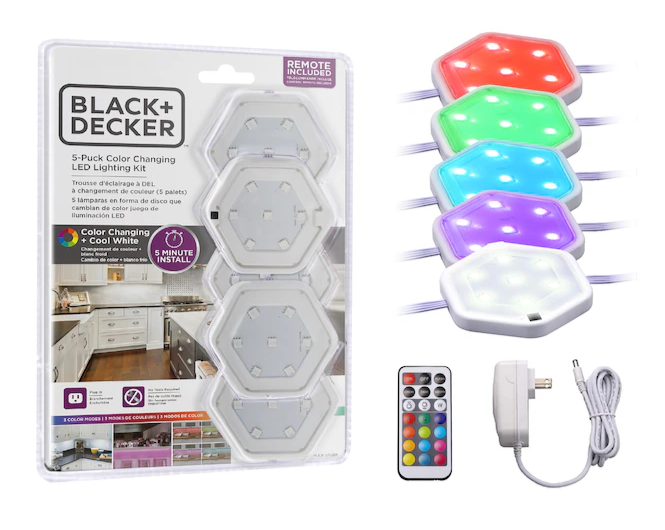
Black + Decker Hex Puck under cabinet lighting: a master puck with satellite pucks and a low-profile, screwless clip-together housing.
About
Lavigne Labs was founded by Brian Barrett, a hardware engineer with 13+ years in China. He ran an LED factory for Black & Decker for six years, and worked with two EV startups building tilting vehicles and electric motorcycles.
Here is how we work. Lavigne Labs is the face and the accountable lead. Each project is matched to a vetted Shenzhen engineering team, design-led or production-integrated depending on what you need, with 40+ engineers across our partner teams. Brian is your first contact and puts his reputation on the results.
Questions
The honest answers to what every first-time hardware team worries about before they wire money overseas.
See all questionsLavigne Labs is the face and the accountable lead on every project, and Brian Barrett is your first contact. We match your project to a vetted Shenzhen engineering team, design-led or production-integrated depending on what you need. Most projects start with a prototype sprint, move into development to production, and continue with production support. You can join at any stage.
We move fast. Speed costs money; we spend it where it saves weeks. Prototyping is where that pays off most: fast iterations, quick-turn parts, and decisions made in days. Getting the lowest unit cost at volume is a goal we're glad to chase in production. In development, we'd rather spend on learning quickly than shave the budget and lose weeks.
We work best with funded startups and teams with a completed Kickstarter, and we love working with them. Lavigne Labs leads every project, matched to a vetted Shenzhen engineering team. We start with prototype sprints, then development to production, then production support, and we can join at any stage.
Yes — that's the whole point. Electronics, prototyping, and production are usually split across different people and vendors, with handoffs where things break. Our team covers the full path, from schematic to shipped units, so nothing gets lost in translation.
Compact, real-world devices — PCBs and electronics, wearables, cameras and optics, LED and sensor-driven gadgets, and the enclosures around them. The badge and toys in the Work and Play sections are good examples of the form factors and bring-up involved.
Often the best fit. Early hardware is exactly where one accountable team that can both design it and get it built saves the most time and money, instead of stitching together a designer, a sourcing agent, and a factory who don't talk to each other. Funded startups and teams with a completed Kickstarter are who we work best with.
We're based in Shenzhen and in the factories in person; that's the advantage. We work with teams anywhere in the world. The design can happen over a call, but the build, the vetting, and the quality control happen here, in person.
Because a prototype proves the idea, not the process. Getting a design ready to manufacture — DFM — is the buyer's job, not the factory's, and skipping it is the most common way first runs blow up. Closing that gap is a big part of what we do.
Tell us what you're working on. We're in Shenzhen, close to the build, and ready to help. Brian Barrett will reply personally.